- posted: May 22, 2025
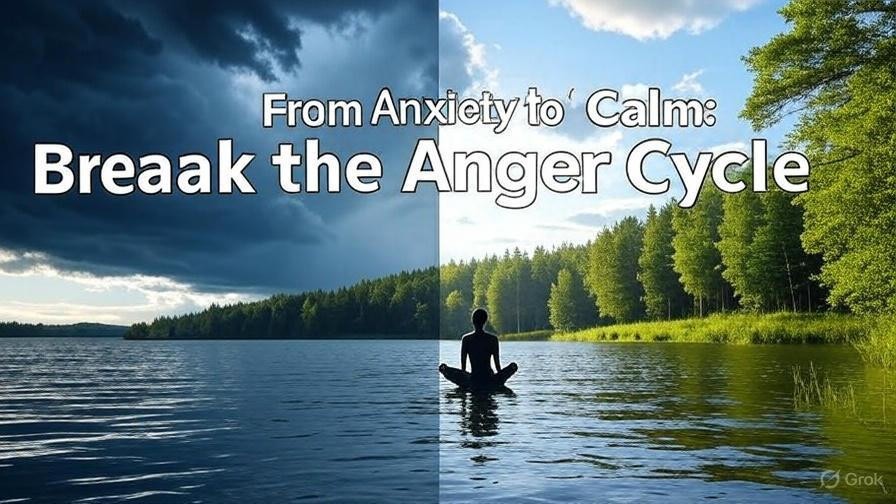
Have you ever felt so anxious that you suddenly snapped at someone over something small? Maybe you didn’t even realize why you were so angry until later. At Still Outstanding LLC, we’re all about helping you rise above challenges and live your best life. Today, we’re diving into the surprising connection between anxiety and anger—and sharing practical solutions to break the cycle.
Why Does Anxiety Turn Into Anger?
Anxiety and anger might seem like opposites, but they’re more like two sides of the same coin. Here’s how they’re connected:
1. The Fight-or-Flight Response
When you’re anxious, your body kicks into “fight-or-flight” mode, releasing stress hormones like adrenaline and cortisol. This primes you for action, but it can also make you irritable. Chronic anxiety keeps your nervous system on high alert, so even minor triggers—like a delayed email or a misinterpreted comment—can spark an angry outburst.
2. Cognitive Overload
Anxiety often brings excessive worry or rumination. Your brain might blow small problems out of proportion, making a forgotten task feel like a personal attack. This mental strain erodes patience, turning frustration into anger as a way to release the tension.
3. Emotional Overlap
Both anxiety and anger are high-arousal emotions, processed by the brain’s amygdala. When you’re anxious, you might feel trapped or powerless. Anger can emerge as a way to reclaim control, offering a temporary sense of empowerment. For example, someone anxious about a work deadline might lash out at a coworker to vent their stress.
4. The Vicious Cycle
Unresolved anxiety builds pressure over time. If you suppress it, that energy can erupt as anger when you hit your limit. This cycle can strain relationships, lower your confidence, and make it harder to stay outstanding in your personal and professional life.
Research backs this up: studies show that people with anxiety disorders, like generalized anxiety disorder or PTSD, often report higher levels of irritability and anger. The good news? You can take steps to manage both.
4 Practical Solutions to Break the Anxiety-Anger Cycle
At Still Outstanding LLC, we believe in actionable steps to help you thrive. Here are four evidence-based strategies to manage anxiety and keep anger in check:
1. Practice Deep Breathing
Deep breathing calms your nervous system and lowers the fight-or-flight response. Try the 4-4-6 technique: inhale for 4 seconds, hold for 4 seconds, exhale for 6 seconds. Repeat for 1-2 minutes when you feel anxious or angry creeping in. This simple practice can reset your emotional state.
2. Journal to Reframe Thoughts
Anxiety often distorts how you see the world. Write down what’s making you anxious for 5 minutes, then ask yourself, “Is this as bad as it seems?” or “What’s one thing I can control here?” Journaling helps you process emotions and prevents them from boiling over into anger.
3. Ground Yourself with Mindfulness
Mindfulness pulls you back to the present, reducing the overwhelm that fuels anger. Try the 5-4-3-2-1 technique: notice 5 things you see, 4 you can touch, 3 you can hear, 2 you can smell, and 1 you can taste. This quick exercise grounds you and creates space for calmer reactions.
4. Move Your Body
Physical activity is a proven stress-buster. A 20-minute walk or jog can lower cortisol levels and boost your mood, according to studies. Next time you feel anxious, step outside or hit the gym to channel that energy positively.
Long-Term Strategies for Lasting Change
For deeper progress, consider working with a professional. Cognitive-behavioral therapy (CBT) is highly effective for managing anxiety and anger by helping you reframe negative thought patterns. You can also explore mindfulness-based stress reduction (MBSR) programs or talk to a coach at Still Outstanding LLC to build personalized strategies for emotional resilience.
Take the First Step Today
Anxiety and anger don’t have to control your life. By understanding their connection and using these tools, you can take charge of your emotions and show up as your best self. At Still Outstanding LLC, we’re here to support you on your journey to personal growth and emotional freedom.
What’s one strategy you’ll try today to manage anxiety or anger? Share in the comments below or reach out to us for coaching support. Let’s keep striving to be outstanding together!
- posted: May 22, 2025
Have you ever felt so anxious that you suddenly snapped at someone over something small? Maybe you didn’t even realize why you were so angry until later. At Still Outstanding LLC, we’re all about helping you rise above challenges and live your best life. Today, we’re diving into the surprising connection between anxiety and anger—and sharing practical solutions to break the cycle.
Why Does Anxiety Turn Into Anger?
Anxiety and anger might seem like opposites, but they’re more like two sides of the same coin. Here’s how they’re connected:
1. The Fight-or-Flight Response
When you’re anxious, your body kicks into “fight-or-flight” mode, releasing stress hormones like adrenaline and cortisol. This primes you for action, but it can also make you irritable. Chronic anxiety keeps your nervous system on high alert, so even minor triggers—like a delayed email or a misinterpreted comment—can spark an angry outburst.
2. Cognitive Overload
Anxiety often brings excessive worry or rumination. Your brain might blow small problems out of proportion, making a forgotten task feel like a personal attack. This mental strain erodes patience, turning frustration into anger as a way to release the tension.
3. Emotional Overlap
Both anxiety and anger are high-arousal emotions, processed by the brain’s amygdala. When you’re anxious, you might feel trapped or powerless. Anger can emerge as a way to reclaim control, offering a temporary sense of empowerment. For example, someone anxious about a work deadline might lash out at a coworker to vent their stress.
4. The Vicious Cycle
Unresolved anxiety builds pressure over time. If you suppress it, that energy can erupt as anger when you hit your limit. This cycle can strain relationships, lower your confidence, and make it harder to stay outstanding in your personal and professional life.
Research backs this up: studies show that people with anxiety disorders, like generalized anxiety disorder or PTSD, often report higher levels of irritability and anger. The good news? You can take steps to manage both.
4 Practical Solutions to Break the Anxiety-Anger Cycle
At Still Outstanding LLC, we believe in actionable steps to help you thrive. Here are four evidence-based strategies to manage anxiety and keep anger in check:
1. Practice Deep Breathing
Deep breathing calms your nervous system and lowers the fight-or-flight response. Try the 4-4-6 technique: inhale for 4 seconds, hold for 4 seconds, exhale for 6 seconds. Repeat for 1-2 minutes when you feel anxious or angry creeping in. This simple practice can reset your emotional state.
2. Journal to Reframe Thoughts
Anxiety often distorts how you see the world. Write down what’s making you anxious for 5 minutes, then ask yourself, “Is this as bad as it seems?” or “What’s one thing I can control here?” Journaling helps you process emotions and prevents them from boiling over into anger.
3. Ground Yourself with Mindfulness
Mindfulness pulls you back to the present, reducing the overwhelm that fuels anger. Try the 5-4-3-2-1 technique: notice 5 things you see, 4 you can touch, 3 you can hear, 2 you can smell, and 1 you can taste. This quick exercise grounds you and creates space for calmer reactions.
4. Move Your Body
Physical activity is a proven stress-buster. A 20-minute walk or jog can lower cortisol levels and boost your mood, according to studies. Next time you feel anxious, step outside or hit the gym to channel that energy positively.
Long-Term Strategies for Lasting Change
For deeper progress, consider working with a professional. Cognitive-behavioral therapy (CBT) is highly effective for managing anxiety and anger by helping you reframe negative thought patterns. You can also explore mindfulness-based stress reduction (MBSR) programs or talk to a coach at Still Outstanding LLC to build personalized strategies for emotional resilience.
Take the First Step Today
Anxiety and anger don’t have to control your life. By understanding their connection and using these tools, you can take charge of your emotions and show up as your best self. At Still Outstanding LLC, we’re here to support you on your journey to personal growth and emotional freedom.
What’s one strategy you’ll try today to manage anxiety or anger? Share in the comments below or reach out to us for coaching support. Let’s keep striving to be outstanding together!